3.05.2010

Blood Orange Marmalade


We discovered this little farm stand/bakery that sells local produce at great prices. They had some wonderful blood oranges (locally grown and pesticide free!), and since blood orange season is so brief I decided to preserve some by making blood orange marmalade. I used this recipe for my jam, as well as the recipe that the website referenced.

First, I washed my fruit, the jars, lids and bands, and sterilized all the other equipment and counter surfaces I would be using. A little bleach is useful at this point.
Next, I peeled the fruit to use in the marmalade. I don't like my marmalade to be too pithy, so I used a vegetable peeler so that I ended up with more zest than pith. I also sliced my zest into thin strips so that it wouldn't be too chunky in the final product. Next, I juiced my six pounds (!) of blood oranges and two lemons, straining the juice and retaining the seeds and membranes for later use. This took a very long time, and if you are lucky enough to have an electric juicer, this would be the time to use it. I only had my old glass juicer and muscle, so it took a while.

After all the juice was ready, I put it into a big pot, along with the peel, a bunch of water, two lemons cut into little triangle, and all the seeds and membranes wrapped up in cheesecloth. I boiled it for half an hour, then added a bunch of sugar.

Rather radioactive looking, isn't it? I also took the cheesecloth bag and squeezed out as much juice and pectin as I could. I didn't seem to get very much pectin out, so I added a box of it to the jam mixture later on.
My husband said it looked like I was wringing out a heart. I added this liquid to the juice mixture, and brought it to a boil. Once the jelly began to set, I poured it into sterilized jars and processed the jars in a hot water bath for ten minutes. The recipe made a lot of marmalade- I filled up ten 8 oz. jars, one pint jar, and had some leftover that I put in a bowl in the fridge. It's certainly a beautiful marmalade; it's a deep pinkish-ruby color with delicate orange strips of zest running through. From what I've tasted of the drips leftover in the pot, it should be tasty as well. I've never made jam before; hopefully it should set and seal alright- I heard promising "plink" sounds when I took the jars out of the hot water bath.

3.03.2010

Second Stained Glass Project

So for my second stained glass project, I decided to do a wall hanging. I hunted around online and found a pattern for this lamp. I took part of it, cropped it to make it shorter, and used it for my pattern.


When doing stained glass, you need to have several copies of your pattern to work with. The one on the right (with the color) was my master. I took one of the other copies and used pattern shears to cut out my guide pieces.

You can see in this photo how the shears cut out a thin strip. This is to allow you extra room for the foil and solder. I double-checked my cut-out pattern pieces against my master pattern, and then glued them onto the glass I was using.


Next, I scored the glass with an oil-carbide glass cutter (visible on the lower left), then used running pliers to break the glass along the score. Once the piece was free of the larger sheet of glass, I trimmed it down with a couple of smaller breaks.


After I had all of my pieces roughly cut out, I ground them down until they matched the pattern. Next, I wrapped the edges in copper foil, applied flux, and soldered the edges.

Unfortunately, it was impossible for me to take pictures and solder simultaneously. Basically, I used tin/lead solder to join all the pieces, and made little wire loops to hang the piece on the wall. It's not perfect, but I'm pretty happy with it considering it was my first solo piece. It certainly brightens up the bathroom, at any rate.

3.01.2010

Finished glass piece

As promised, here's my finished stain glass piece:


I'm still not sure how I want to hang it, since I need to wait for my teacher to get over his cold so he can show me what the options are. A chain and a suction cup, maybe? Also, I think I might hang it sideways instead of up-and-down. It's going in the kitchen window, above the sink. Next time I'll post about my wall-hanging glass project.

2.27.2010

Gingersnaps

I was feeling ambitious and I decided to bake some cookies. My husband requested gingersnaps (they're his favorite, and he does not like to venture beyond what he knows he likes) so I thought I'd share the recipe with you.


Ingredients:

2 cups flour
2 tsp baking soda
1/2 tsp salt
1 tbs ginger
1 tsp cinnamon
3/4 cup shortening
1 cup sugar
1 egg
1/4 cup molasses
1/3 cup cinnamon sugar


First, sift together the dry ingredients in a bowl. In a second bowl, cream the shortening, and gradually beat in the white sugar. Beat in the egg and molasses; gradually add the dry ingredients to the shortening mixture, mixing until a soft dough forms.


Pinch off small amounts of dough and roll into 1-inch diameter balls between your hands. Roll the balls in cinnamon sugar and place 2 inches apart on an ungreased cookie sheet. Bake at 350 degrees for 10 minutes.

The cookies should be rounded with slight cracks running across the tops. This time I baked them on parchment paper, and it was much easier to remove them from the cookie sheet.

2.19.2010

A Belated Christmas Present

I actually gave this present to my grandparents on Christmas day, so the only part that's belated is my posting about it. Nate and I had decided to make this a (sort of) handmade Christmas, and I wanted to make something that my grandparents could use seasonally if they didn't have room for it every day. My grandmother has a beautiful ceramic nativity set that my great-great grandmother made, so I decided to make a wall hanging that she could use as a backdrop.


You remember this quilt I posted about (since postponed due to our office/craft room being in terrible disrepair)? I actually was using the leftovers from my Christmas project for it, but I obviously could not post about the real purpose of the fabric. I chose a simple log-cabin square in a starburst pattern, to represent the nativity star:


I embellished it with embroidery, couched threads, sequins, and beads. The quilt piecing was actually very quick and easy; it was the embellishing that took a while. Here's a close-up of the work in progress:


I chose a random, completely unrelated, but cute fat quarter for the backing (it's a bit washed out in this pic):

When my grandmother opened the package, the hanging was folded up so only the back was showing, and her first reaction was "Oh, it's so pretty!" My mother had to prod her to open up the whole thing, since she was just looking at the back. I really like this fabric, and I have another fat quarter left that I want to integrate into something cute sometime soon. Sadly, I have a bad habit of not taking pictures of my finished pieces, so I can't show you what it looked like after it was quilted and bound. If my grandmother is kind enough to send me a photo of it hanging up, I'll post it.

2.18.2010

Stained Glass

As part of my Christmas present, Nate asked a friend at work (Steve) to teach me how to do stained glass. I've always wanted to learn, since it's so beautiful. Steve brought over his tool kit, a grinder, a big box of glass, and several copies of a simple beginner's pattern. First, you number a master pattern, and number each piece in the same way on a cut-out pattern. Next, you cut out each piece of the pattern. I used pattern shears, which have a double blade so that the black lines are cut out all at once.

In this picture, you can see some of the cut (and foiled) pieces laid out on the master pattern. In order to cut the glass, you glue your paper pattern pieces to the glass, use a glass cutter to cut out the general shape, and then use a grinder to smooth all the edges down so they match up with the pattern.

This isn't particularly difficult, just time-consuming. The trickiest part is keeping the water from the grinder from melting the glue, because then the pattern slides off. I only had to cut and re-apply one new pattern piece for this project. You can't really tell from this picture, but the grinder is actually sitting in my kitchen sink. Good motivation for washing all the dishes!

These are some of the pieces after I finished grinding them. You can see the pattern is peeling up off of a couple; once they're ground, though, you take off the pattern anyway. Next, you take copper foil and wrap the edges. The foil comes in rolls of narrow strips, and has adhesive on one side. I didn't get any pictures of the wrapping process, unfortunately. It's finicky work, but not terribly difficult.

Here, you can see all the pieces are foiled and laid out over the master pattern. Part of the foil roll is visible at the bottom of the picture. Right now the pieces are all loose, but I'll solder them all together next time Steve comes over. I promise, I'll take more (and better) pictures of that process.

2.09.2010

Cabbage and Potatoes- the Irish Standard

Whilst browsing one of my favorite websites the other day, I came across this recipe for roasted cabbage. I haven't had cabbage much, outside of egg rolls and the slimy sheets of boiled cabbage that come with St. Patrick's day corned beef. It sounded so good (and cheap) that I thought I would give it a try. And it was worth it! Here's how I did it:

1 green cabbage
~4 slices bacon
olive oil
salt
pepper

While you're prepping the cabbage, preheat the oven to 450F. First, peel the outer leaves off the cabbage, then cut into quarters. Slice off the thick core part, then cut each quarter in half. Lay the cabbage slices out on a cookie sheet or large roasting pan.

Drizzle olive oil over the cabbage, then sprinkle with salt and pepper to taste. Take your bacon pieces, and cut into small slices. I use my kitchen scissors for this, since it's a pain trying to use a knife on smushy fatty bacon. Drape the slices all over the cabbage. I had some leftover bacon, and I didn't want to have only a piece or two hanging out in my fridge, so I used a little more bacon than called for.


I really recommend using better-quality, thick cut bacon. The butcher at my local market sells a really delicious bulk brand, and it's usually cheaper than the crappy prepackaged stuff at the supermarket. You only need a little bit for this recipe, so even the more expensive types aren't too pricey here. Pop the tray in the oven and roast for 15 minutes. Take out the pan and close up the oven to keep the heat in, and flip over the cabbage.
This was a little tricky. I used a fork, but tongs or a spatula might work better. Put the tray back in, and bake for another 15 minutes. My cabbage chunks kind of fell apart; leaving a bigger section of the core attached might help keep everything together.

I also made fried red potatoes to go with the cabbage. I used this recipe, but I wasn't that impressed. For one thing, the potatoes took almost three times longer to cook than they were supposed to. If I were to make this combination again, I would start the potatoes first, not the other way around. In any case, take as many red potatoes as youe think you'll eat, and slice them into 1/8th-inch rounds.
Heat oil (or butter, for those who can) in a skillet on medium-low or medium. Lay out the potato slices in the pan, and cover with whatever seasoning you like. I used salt, pepper, sliced onions, and fresh garlic. Rosemary or cajun seasoning would probably be good too.


Cover, and let it cook, checking and stirring every ten minutes until the potatoes are as brown/soft/crunchy as you want. This took about half an hour for 5 potatoes in my 12-inch skillet. Don't turn the heat up too high or the potatoes will be burned before they are soft. Using a lid helps everything to cook through, but it can make the potatoes kind of damp. I left the lid off for the last ten minutes or so.


Dinner was a mixed bag. The cabbage was great, but this was not the best potato recipe I've ever tried. The best part of the cabbage was the burnt-looking crispy edges- they were bacony and flavorful. I don't know how much children would like this recipe, since cabbage is very strongly flavored, and the roasting intensifies that. On the other hand, this was the best cabbage I've ever tasted. Over all, it was a great combination of cheap and delicious.

1.30.2010

Sunny Surprise

Isn't this a nice surprise to find growing in the middle of your backyard? I love African daisies.

1.25.2010

Some Christmas Projects

We had a home-made(ish) Christmas this year, so I thought I should post some of the things I made. I'm terrible about taking pictures of my finished projects, so please forgive me for the quality of my pictures. First of all, I made my mother a lace-work scarf. I decided to use a seagull pattern for the lace, and because I wanted it to be something pretty and un-bulky (Yes, it's a word. A word I just made up.) I made it shortish with a key-hole style fastening method. I know that sounds confusing, but it makes sense when you see it:

There's a slit in the lace on one side, and you put the other end through it so that it snugs up around your neck without having to be wrapped a bunch of times. I did the part that actually goes around the neck in garter stitch for comfort and warmth. I loved the yarn I used; the picture doesn't show it well, but it was this nice sock yarn in rich blues and purples.

I also made my brother a nice bulky scarf, good for braving the icy winds of his might-as-well-be-in-Canada college. Again, I don't have a good picture of the finished piece, so I hope that you (and he) will forgive my poor photos.

As you can tell, everyone gave him a lot of winter gear. I think he also got gloves, another hat, socks, and thermals. That's actually the backside of the scarf that you see in the picture; I double-knit in green, cream, gray, and black, with the green through gray stripes having a staggered end (replaced by black) on one end. It was deceptively difficult to knit, since I had to navigate and untangle eight strands of yarn simultaneously. It's nice and thick and wooly, though, so it was worth the trouble.

1.14.2010

Flageolets and Radiatores

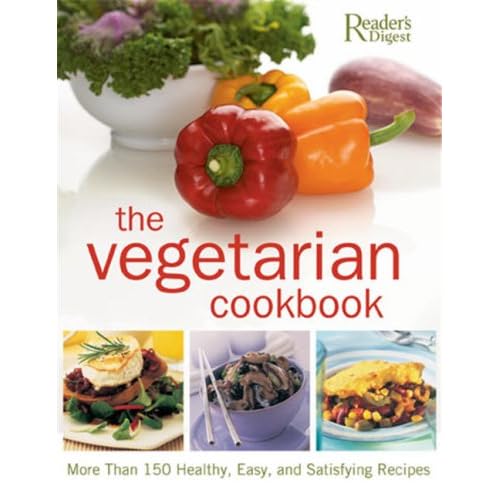
I got the very delicious, if blandly named, Reader's Digest "Vegetarian Cookbook" out from the library, and decided to begin with 'Radiatore with Flageolet beans in Tomato dressing.' Basically, cold pasta salad with tomato dressing. Since the store had neither flageolet beans nor radiatore pasta, I substituted navy beans and campanelle.

If you'd like to try it out yourself, here's how it's done:

salad ingredients:
8 oz pasta
15 oz can artichoke hearts, drained and quartered

4 skinned tomatoes, cut in wedges

3 celery stalks, thinly sliced

1 red bell pepper, julienned

14 oz can navy/flageolet beans

2 tbs fresh basil, shredded


dressing ingredients:
2 tbs tomato paste
1 garlic clove, crushed

2 tbs olive oil

2 tbs lemon juice

1 tsp superfine sugar

salt

pepper


Cook the pasta for 10-12 minutes. While you're waiting for the water to boil and the pasta to cook, add all the other salad ingredients together in a large bowl. If you're me, bully your husband into helping slice veggies and your dinner guest into being your photographer. The tomatoes were a little tricky to peel, even after being dunked in boiling water and then in ice water. I'm not really sure this step is necessary, unless you are using particularly tough-skinned tomatoes.

julienning away


When the pasta is all done, drain it thoroughly and gently mix it into the vegetables. While this all cools off, mix up the dressing. This is pretty easy, but it seemed as though there wasn't quite enough dressing when compared to the volume of salad.


Perhaps doubling it might work? I suppose it depends how much you like tomatoes. Drizzle the dressing over the salad, and gently toss everything until it is evenly coated. You have to be careful not to damage the pasta and some of the more fragile vegetable ingredients, lest your salad become soggy.


It all turned out pretty well, even with the substitutions I made. This salad would be perfect for hot summer days, since it all seemed very light and crisp. The carnivore in me would have appreciated some diced chicken in it, but even so it was a very filling meal. This cookbook has a number of other recipes that look very appealing, and I would recommend trying it out if you come across it, even for dedicated carnivores.

1.04.2010

Being a dork in public

I had to fly back to Phoenix today, and I brought along some quilt piecing to pass the time. Nothing like crafting in public to make you feel like an anachronism. I was knitting when I flew to NY, and quilting on the way back. I think knitting is the more "normal" of the two, but I don't usually see people my age doing it in public.

It's a hexagon quilt using forty different fabrics. I was bored at my parents' house after I had finished making my Christmas presents, so I scrounged around in my mother's stash. Some of the fabric was stuff I had bought in high school, and some of it is from my great grandmother's collection. There's some cute (and crazy) vintage stuff in there.


I think it's crazy that you can see the Washington Monument from the terminal. You don't think of Dulles being so closed to all the national historic places; wouldn't it be an eyesore?

1.01.2010

New Year's in Saratoga

This year, my family decided to break both habit and tradition and go out for New Year's Eve. Saratoga Springs was holding a First Night Festival that promised to be both more entertaining and less boozy than Albany's, so we decided to give it a try. My parents went off with their friends one way, and me, my husband, my best friend, and her boyfriend went another. There were tons of bands, entertainers, vendors, and other fun things going on from about 6 pm until midnight.


Saratoga has been a spa town since the 1800's, is home to one-third of the Triple Crown, and is full of gorgeous old buildings centered around a lovely park that houses all the different mineral springs. One of the first things we saw as we walked around were various musicians performing in the store windows; the young lady above was singing opera.


We went into the Military Museum (formerly the Armory) for free snacks and folk musicians, and wandered around looking at the exhibits. Some organization or other was charging $5 to get your picture taken in this old Jeep. Nate managed to sweet talk them into letting him take a picture, just of the Jeep, for free. He was amused to point out that there was a tray of cat litter underneath the engine to catch stray oil drips, since apparently every functioning Jeep leaks. Ours certainly do, at least.


After the Armory, we went down the street to the local Elementary show and watched a juggling act. "Juggling act" is really a misnomer, since the performer made fabulous balloon animals, rode around on a unicycle, walked a tight-rope, and (as you can see above) balanced things on his face. He even got someone to volunteer their toddler for his balancing-act:

We also saw an Irish rock band, explored some of the beautiful public buildings, popped in to various dance and music performances, and finished up with a midnight firework show, before meeting up again with my parents. It was a really fun night, and well worth the ticket price. There was so much more going on than you could possibly have time to see, and I would highly recommend it to anyone looking for a fun New Year's activity.

one of the many decorated storefronts